In the design of a contemporary building, the façade is not simply a closing element, but represents a strategic component of the building envelope. Through the façade, the building communicates with the outside world, controls energy exchanges, ensures internal comfort, and defines its architectural identity.
Understanding the different façade types and their specific characteristics is therefore essential to correctly guide design and construction choices.
In this article, we focus on definitions, functional differences, and application advantages, with particular attention to glass systems, which are increasingly central to modern architecture and the core business of Soglianese Costruzioni.
Traditional and ventilated facades: the main differences
The traditional façade, generally made of masonry or with external insulation systems, is characterized by a compact structure in which the load-bearing, insulating, and finishing functions are integrated into a single package. It is a consolidated solution, especially suitable for residential buildings or renovation projects.
The ventilated façade, on the other hand, introduces an air gap between the external cladding and the rear wall. This space allows for natural ventilation, improving thermal performance and reducing the risk of condensation and overheating in summer. The external cladding can be made of various materials, including glass, which combines aesthetics with high technical performance.
Curtain facade: definition and advantages
The curtain wall represents one of the most advanced solutions for office, commercial, and service buildings. It is a non-load-bearing envelope, generally consisting of aluminum frames and large glass surfaces, anchored to the main structure of the building.
This type of façade allows for a high degree of design customization while ensuring advanced performance in terms of thermal insulation and natural lighting. The use of selective, low-emissivity, or stratified glass optimizes the building’s energy balance and improves interior comfort, reducing long-term operating costs.
Structural glass and double-skin facades: characteristics and performance
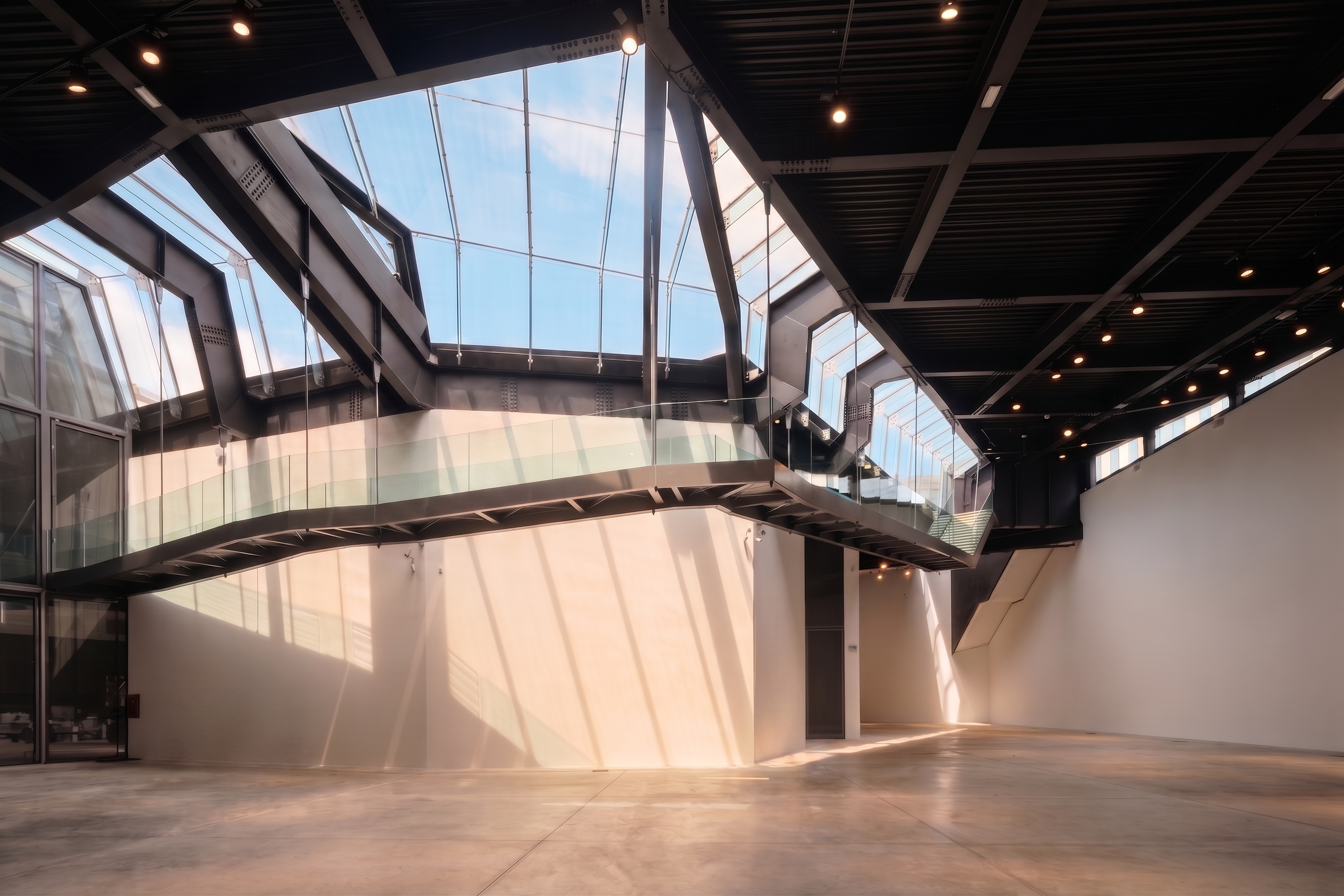
An evolution of the curtain wall is the structural glass façade, in which the glass plays an active role in its statics. In these systems, the reduction of exposed metal elements allows for continuous transparent surfaces, enhancing the visual lightness of the envelope.
The structural façade is particularly popular in contemporary architecture projects for its ability to maximize transparency and the connection between interior and exterior, without sacrificing safety, mechanical resistance, and high energy performance.
The double-skin façade is a complex system consisting of two layers of envelope separated by a larger cavity, often accessible for maintenance. This configuration allows for advanced control of air flow, solar radiation, and acoustic insulation.
Thanks to the combined use of glass and integrated shading systems, double-skin façades represent a high-performance solution for energy-efficient buildings and projects geared toward environmental sustainability.
Choosing the right facade with Soglianese Costruzioni
The choice of façade type depends on multiple factors: the building’s intended use, climate, energy objectives, aesthetic requirements, and budget. In this scenario, glass proves to be a key material, capable of adapting to different systems and supporting innovative and sustainable architectural solutions.
Soglianese Costruzioni, specializing in curtain walls, glass façades, and complex building envelopes, supports designers and clients in defining the most suitable solution for each project, guaranteeing technical expertise, quality execution, and attention to long-term performance.
Article keypoints
– The façade is a strategic element for energy performance, comfort, and architectural identity.
– There are different types of façades, each with specific functions and characteristics.
– Glass façades offer high technical performance and great design flexibility.
– The choice of façade affects the efficiency, sustainability, and long-term value of the building.