2026 marks a turning point in construction, especially in the world of glass. We’re no longer just talking about “buildings,” but about technological organisms capable of reacting to the environment. For a company like Soglianese Costruzioni, always at the forefront of technology, next year’s trends confirm a clear vision: aesthetics must blend with unprecedented technical performance.
Here are some dominant trends we’ll see in the most innovative glass projects of 2026.
Dynamic and climate-responsive facades
The glass curtain wall is no longer a static element. In 2026, the building envelope becomes the building’s “lungs.”
– Selective and Smart Glass: The trend is the integration of glass that changes its physical properties based on solar radiation, drastically reducing summer heat load;
-Ventilated double skins: the focus is on double-skin systems that allow for controlled natural ventilation, improving energy efficiency and acoustic comfort, essential in dense urban environments;
– United façades: For large office complexes, prefabrication of glass units in the workshop ensures rapid installation and pinpoint precision, a standard now required by international markets.
Hotelification of offices: the role of glass
Corporate interior design is experiencing the so-called hotelification revolution: transforming the office into a welcoming space like a luxury hotel, without sacrificing operational functionality.
This is achieved through:
– Invisible partitions: The use of all-glass partition walls, with minimal aluminum profiles, allows for the natural light typical of open spaces to be maintained;
– Advanced acoustic comfort: Highly acoustically effective stratified glass creates transparent “bubbles of silence” where private meetings can be held while remaining visually connected with the team;
Hybrid materials: steel and glass are combined with warm finishes and noble metals (such as aged brass or champagne aluminum) to humanize corporate spaces.
2026 trends: lightness and regenerative design
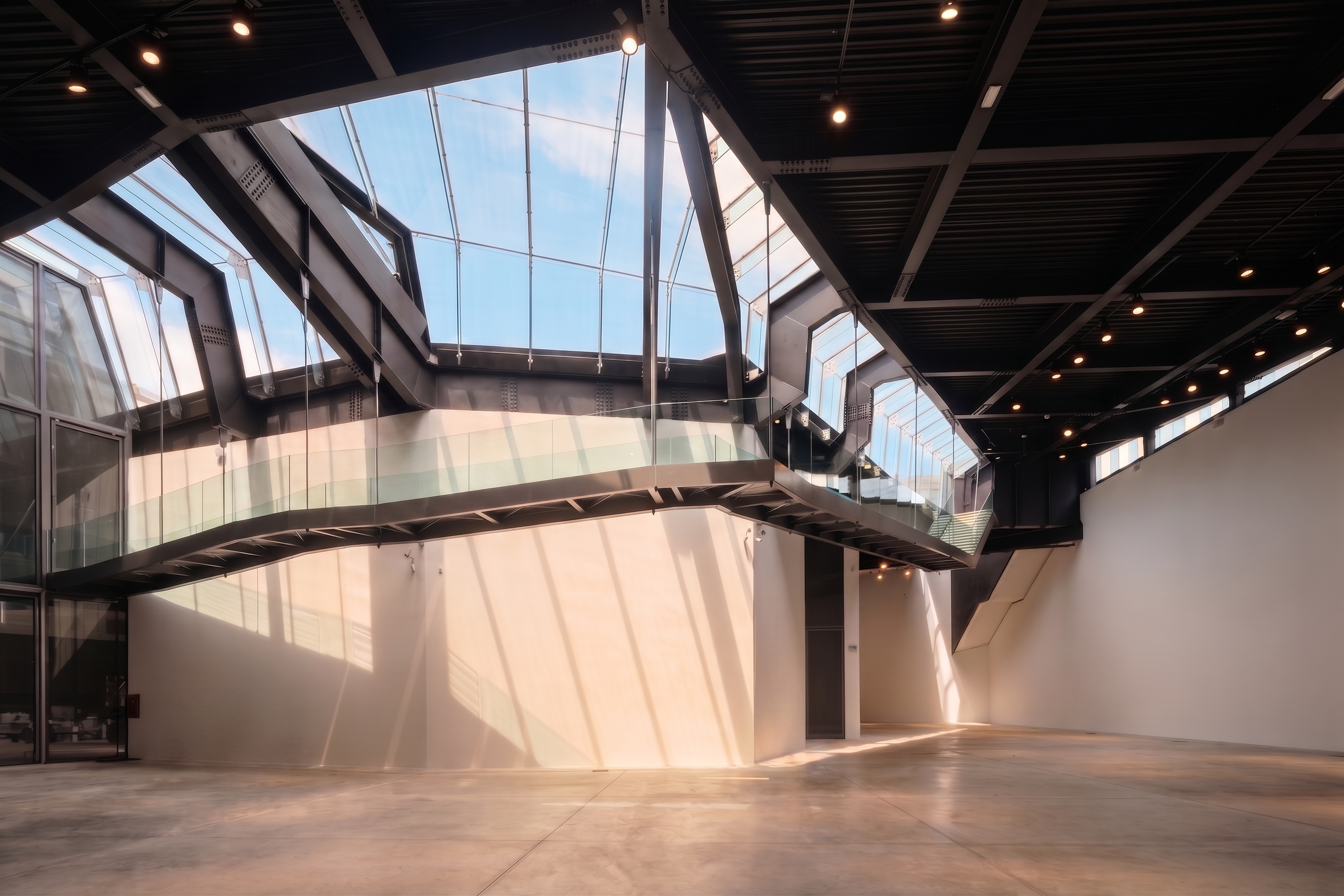
Metallic structures in 2026 are not only structural, but also become true elements of urban and architectural design through:
– Sculptural canopies and shelters: metal roofs become design icons. The trend is toward fluid, organic forms, made possible by advanced 3D modeling and high-precision carpentry;
– Steel and sustainability: Steel, an infinitely recyclable material, confirms its role as a key player in regenerative design. Lightweight, removable, and reusable structures are the answer to the new green building certifications.
Soglianese Costruzioni’s vision for the future
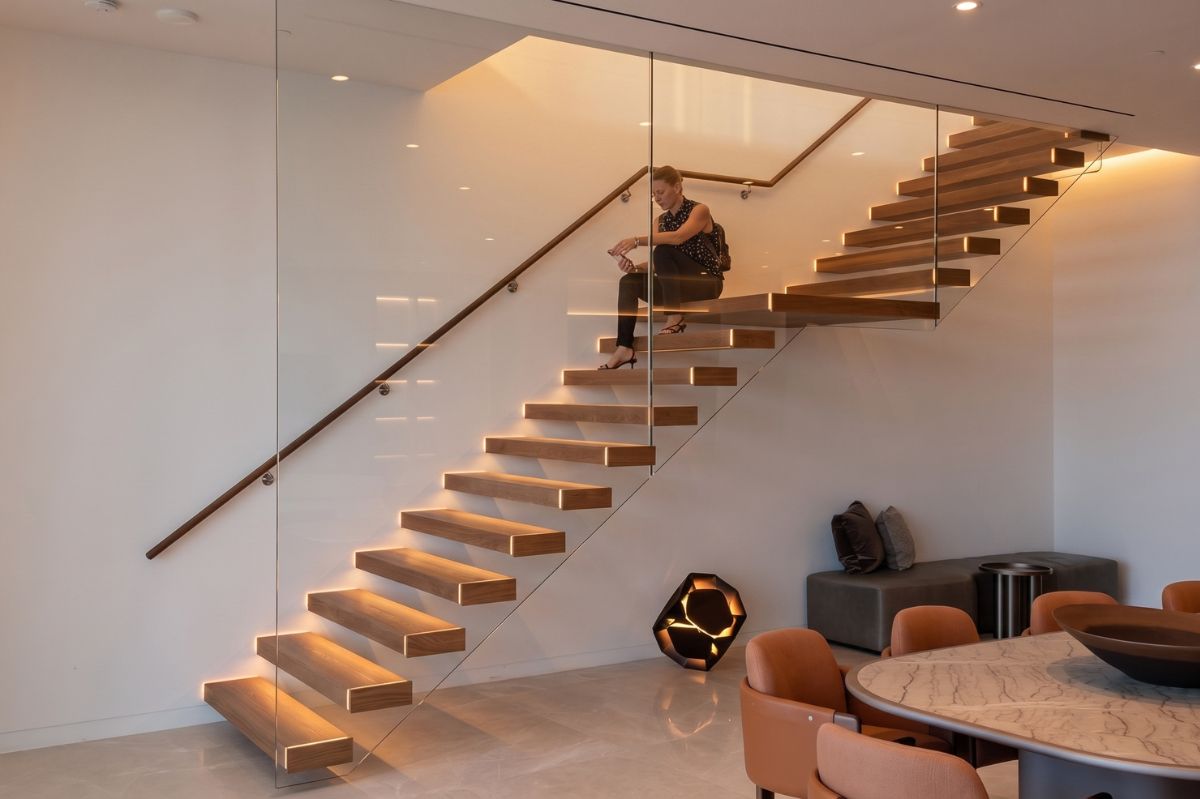
Designing in 2026 means mastering complexity. Whether it’s the façade of a headquarters or a monumental glass staircase, Soglianese Costruzioni’s added value lies in its ability to transform complex engineering challenges into harmonious architecture.
The future is transparent, yet solid. Our ongoing research into materials and installation techniques allows us to anticipate these trends, offering our clients not just constructions, but architectural visions.
Are you designing your new headquarters or a prestigious residential complex? Contact us for a technical consultation.
Article keypoints
- In 2026, glass facades will become dynamic and intelligent elements capable of adapting to the environment, improving energy efficiency and acoustic comfort.
- Offices will be transformed into welcoming, bright spaces inspired by hotels thanks to glass walls, soundproofing, and refined materials.
- Metallic design focuses on lightness, sustainability, and modularity, with removable and reusable structures that enhance urban architecture.
- Soglianese Costruzioni integrates aesthetics and technology to create advanced buildings, harmonizing complex engineering challenges with innovative architectural solutions.