The forms of contemporary architecture are increasingly less tied to traditional geometry.
Curving facades, surfaces with shifting inclinations, and transparent volumes following irregular trajectories require materials capable of adapting to complex designs without compromising performance or precision.
In this scenario, glass plays a central role. Its transparency lightens the building’s volumes and maximizes natural light, while available processing techniques and technologies enable the creation of curved surfaces and complex geometries. However, transforming an architectural vision into a glass element ready for installation requires careful planning at every stage.
Curved glass: when the material follows the design
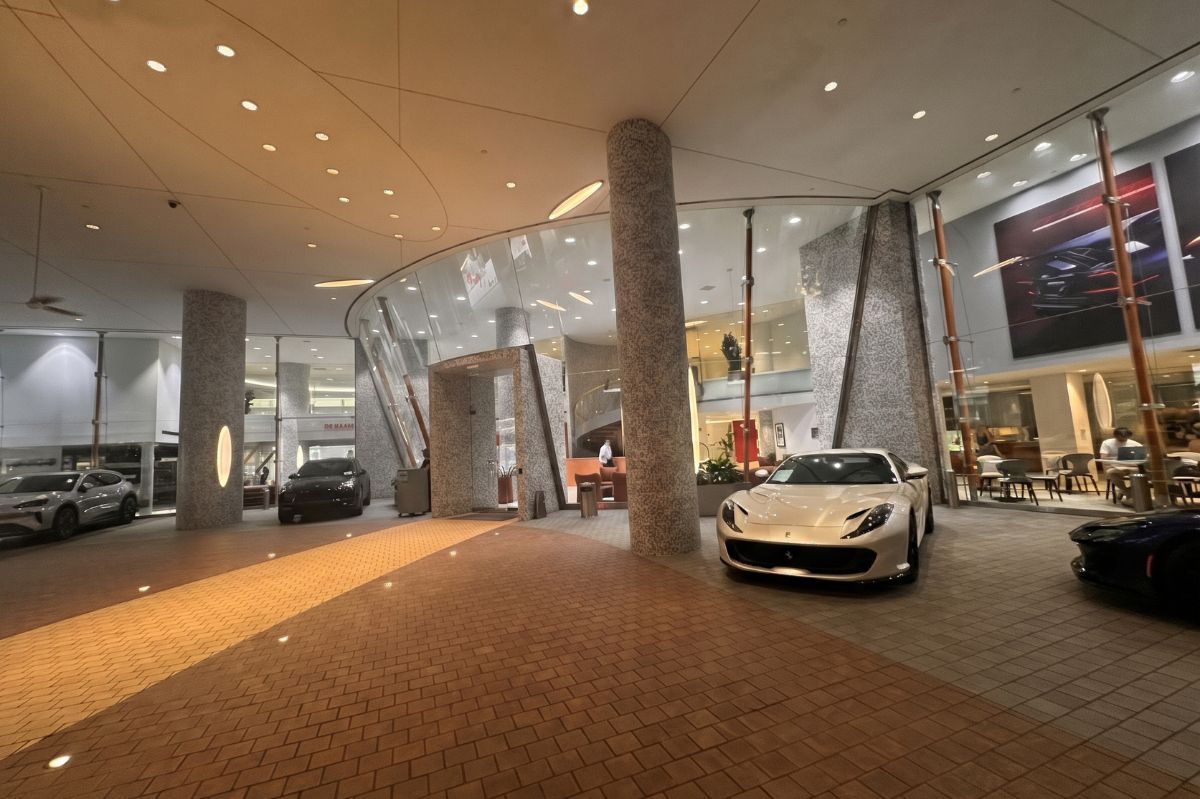
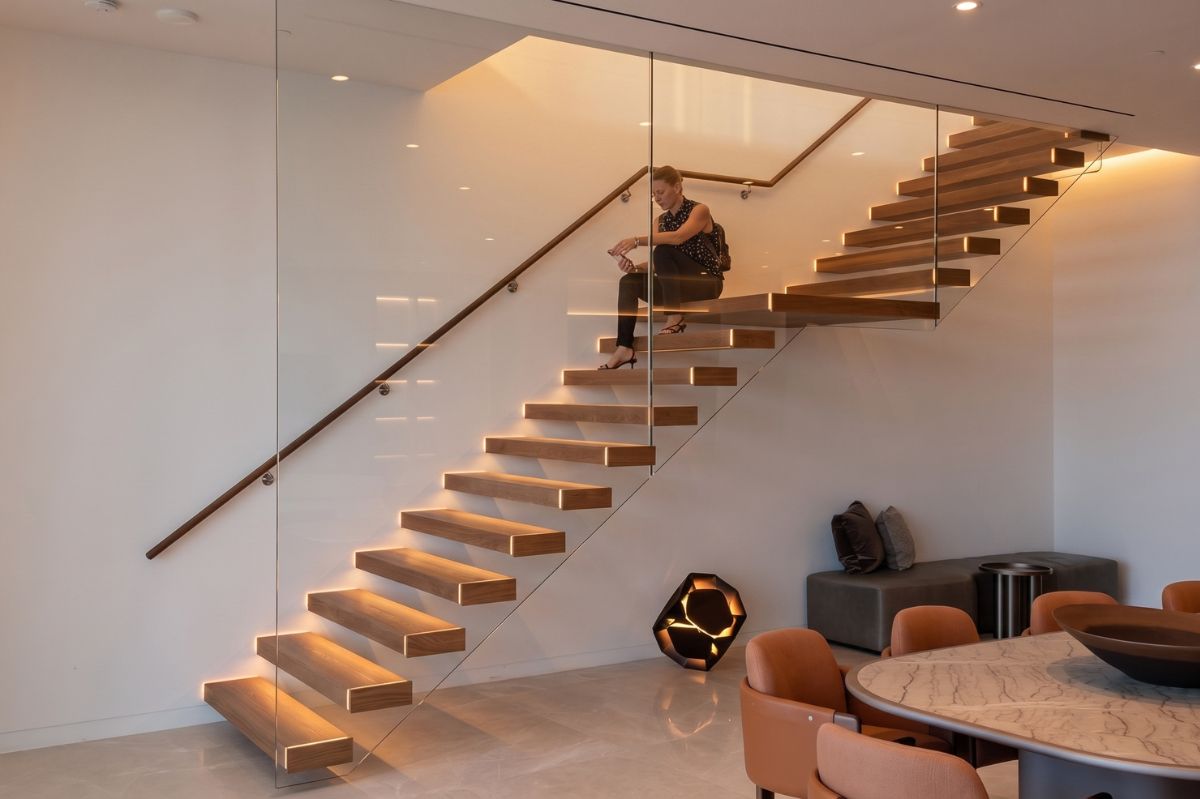
Curved glass enables the creation of continuous surfaces, sinuous facades, roofing, and interior partitions with soft lines. The curvature can follow a building’s profile, connect different volumes, or become a distinctive architectural feature.
However, its production requires rigorous control of several parameters: bending radius, thickness, sheet dimensions, and the characteristics of the glass composition. The choice of production technology depends on the desired outcome and the performance the glass must deliver.
Even a seemingly minor variation in geometry can affect integration with profiles, fixing systems, and the continuity of the façade. Therefore, technical feasibility must be verified during the initial stages of the project.
Faceted glass: precision and visual continuity
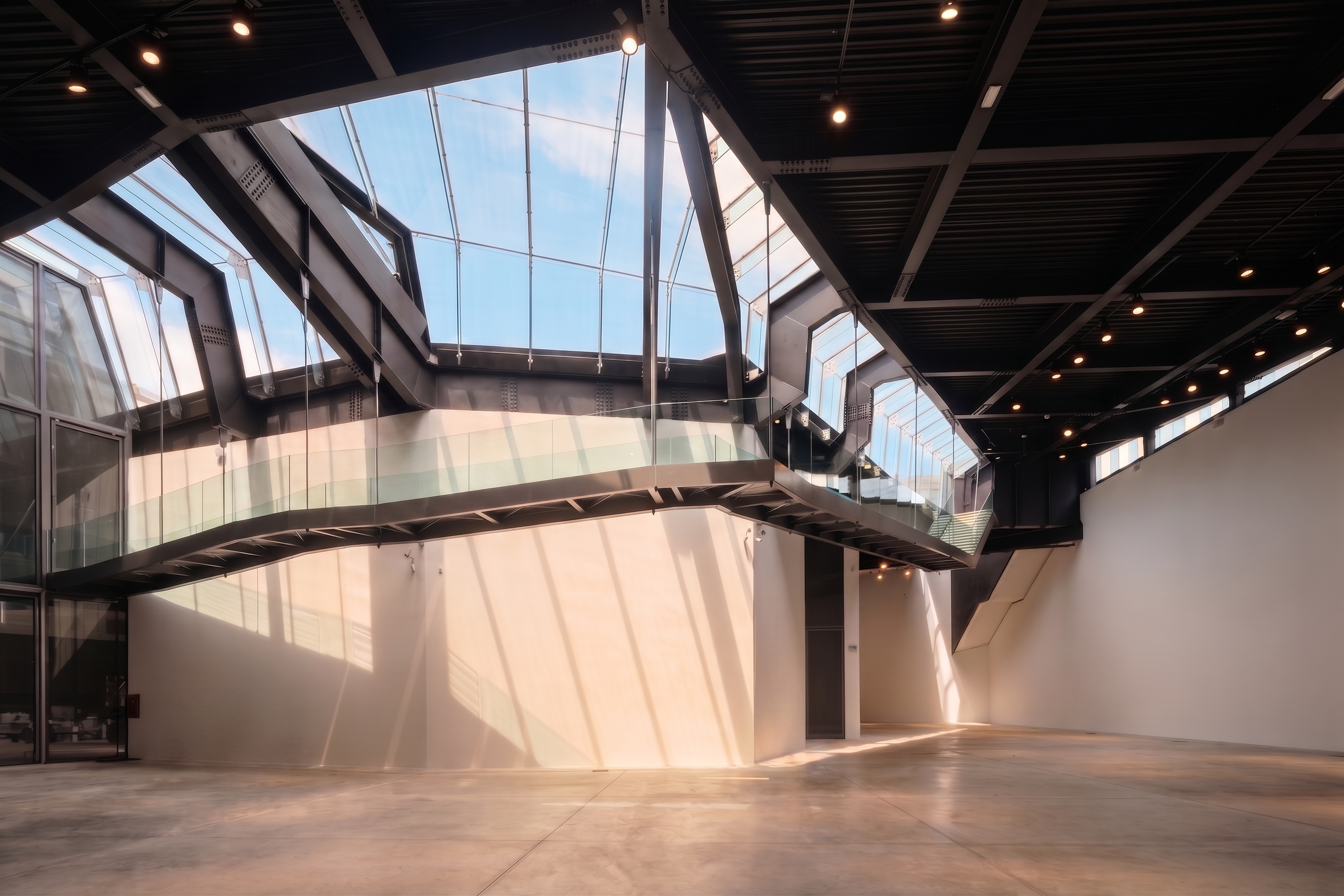
The case of faceted glass is different; it is used to create surfaces composed of multiple flat panes arranged at varying angles. Placed side by side, these panes define a complex geometry capable of creating interplay between reflection, transparency, and depth.
In this case, the challenge does not only consist in the processing of the glass, but above all in the precision with which each element must connect to the others. Dimensions, angles, tolerances and joints must be carefully defined so that the whole complies with the architectural design.
The result depends on the quality of the individual component, but also on the ability to make all parts of the system communicate.
Production and installation: facing the challenge
In architectures with fluid forms, glass production and installation are closely linked. A properly designed solution must take into account the methods of transport, handling, and assembly.
Among the most sensitive aspects are:
- detailed design: translating architectural geometries into verifiable drawings, measurements, and construction details;
- dimensional tolerances: ensuring compatibility between panels, supporting structures, profiles, and joints;
- logistics and handling: planning the transport and handling of elements that are often bulky or particularly delicate;
- on-site installation: adhering to assembly sequences, fixing systems, and safety requirements.
Anticipating these critical issues makes it possible to reduce unforeseen problems and maintain consistency between the design, production, and final result.
Bespoke glass according to Soglianese Costruzioni
For Soglianese Costruzioni, creating transparent architecture means integrating design, engineering, and installation. When glass must conform to complex geometries, coordination between these various phases becomes crucial to achieving a precise result that aligns with the architectural intent.
The company’s approach begins with an analysis of project requirements and proceeds to the development of execution details, material selection, and installation planning. It is this comprehensive perspective that enables the team to address the challenges associated with unconventional shapes, considering the relationship between glass, structure, and fixing systems from the very outset.
Because a complex glazed surface must be more than just visually appealing: it must be designed to function effectively, integrate into the building, and maintain the required performance over time.
Key points of the article
- Glass is a fundamental material for creating architectural designs with fluid, contemporary forms.
- Curved glass enables the creation of continuous, sinuous surfaces, whereas faceted glass utilizes flat panes set at varying angles.
- The design process must take into account geometries, dimensions, tolerances, and fixing systems.
- Transport, handling, and installation are critical stages for ensuring a high-quality outcome.
- Soglianese Costruzioni integrates design, technical, and installation expertise to address the complexities of bespoke glazing solutions.